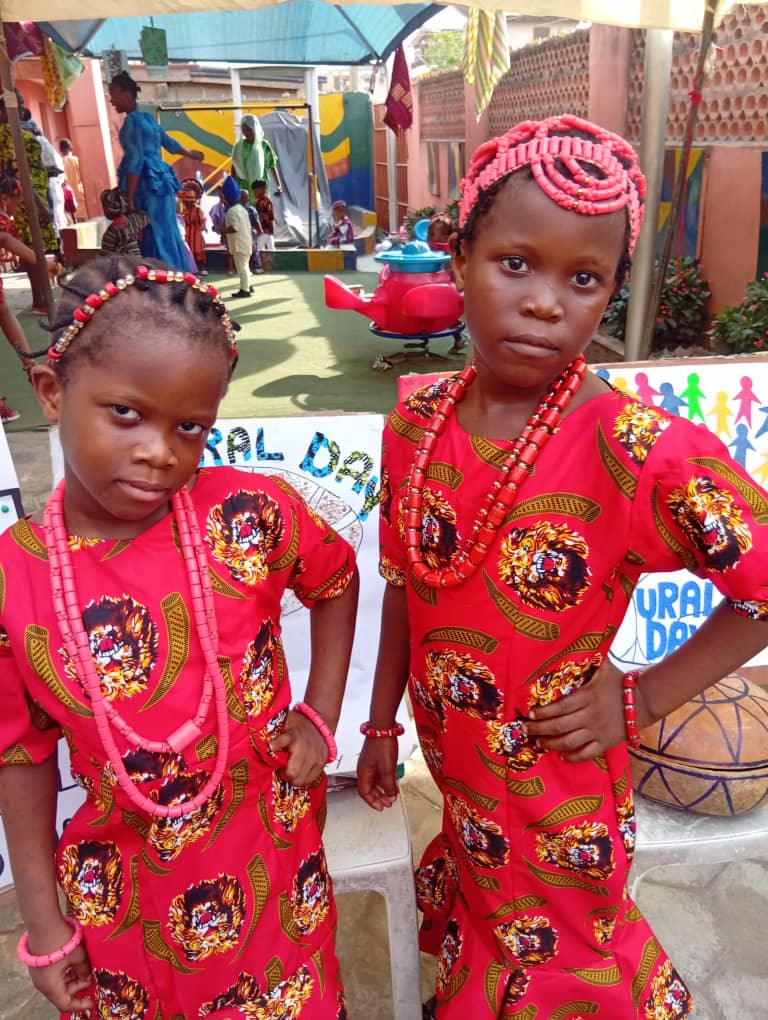
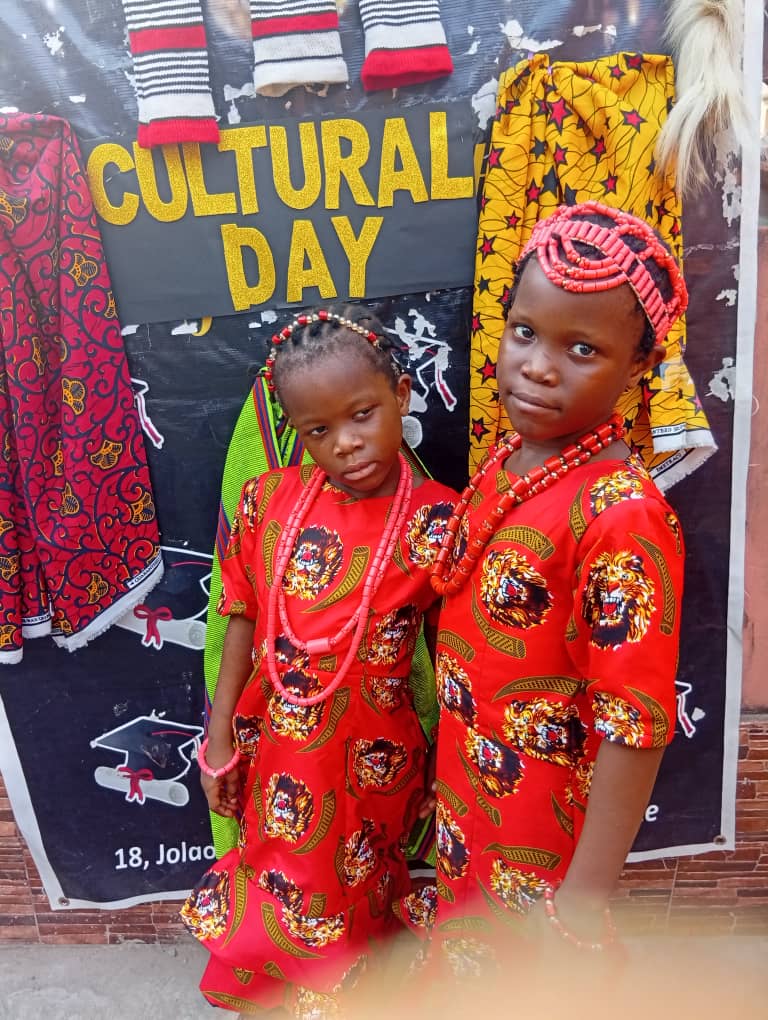
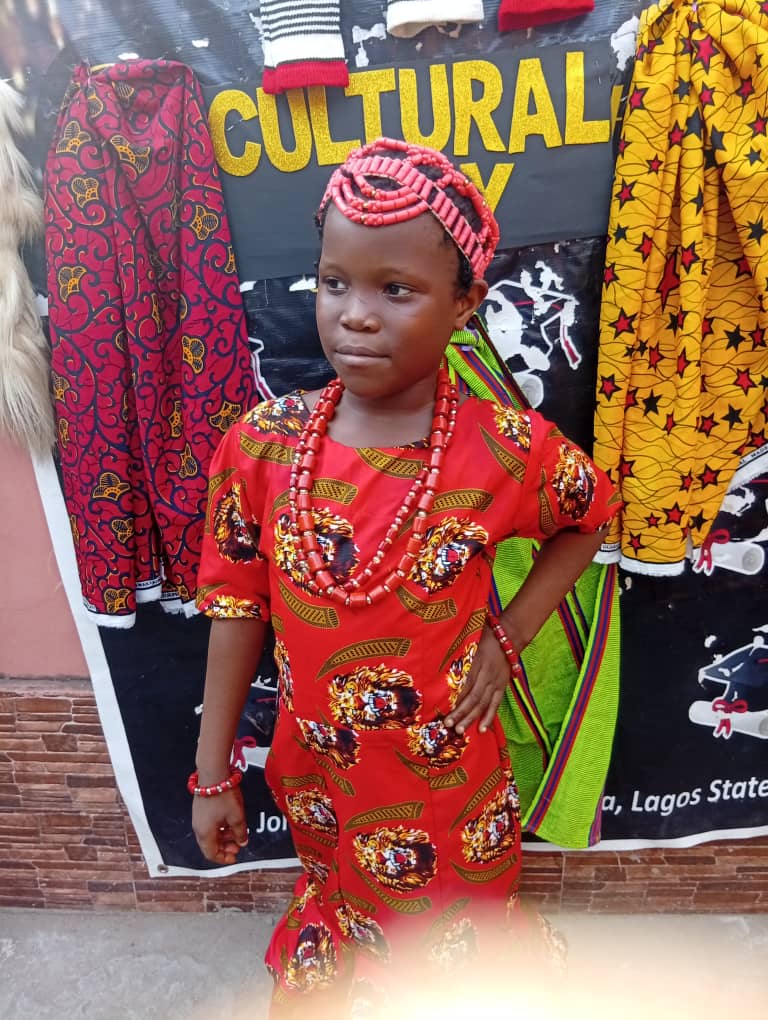
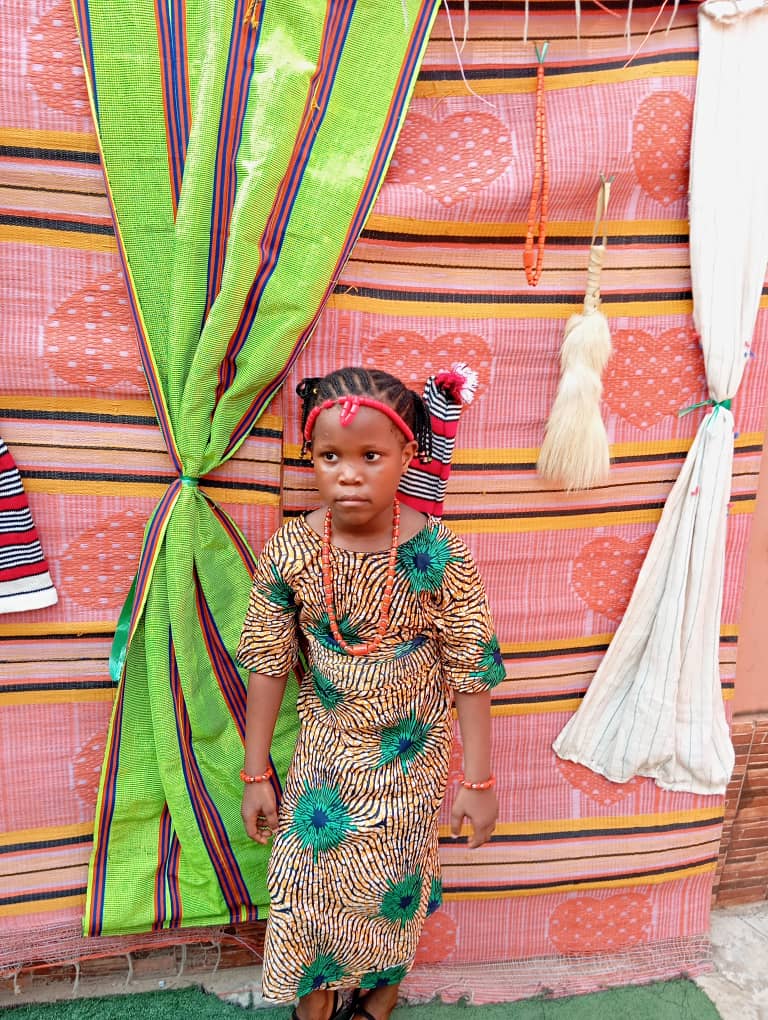
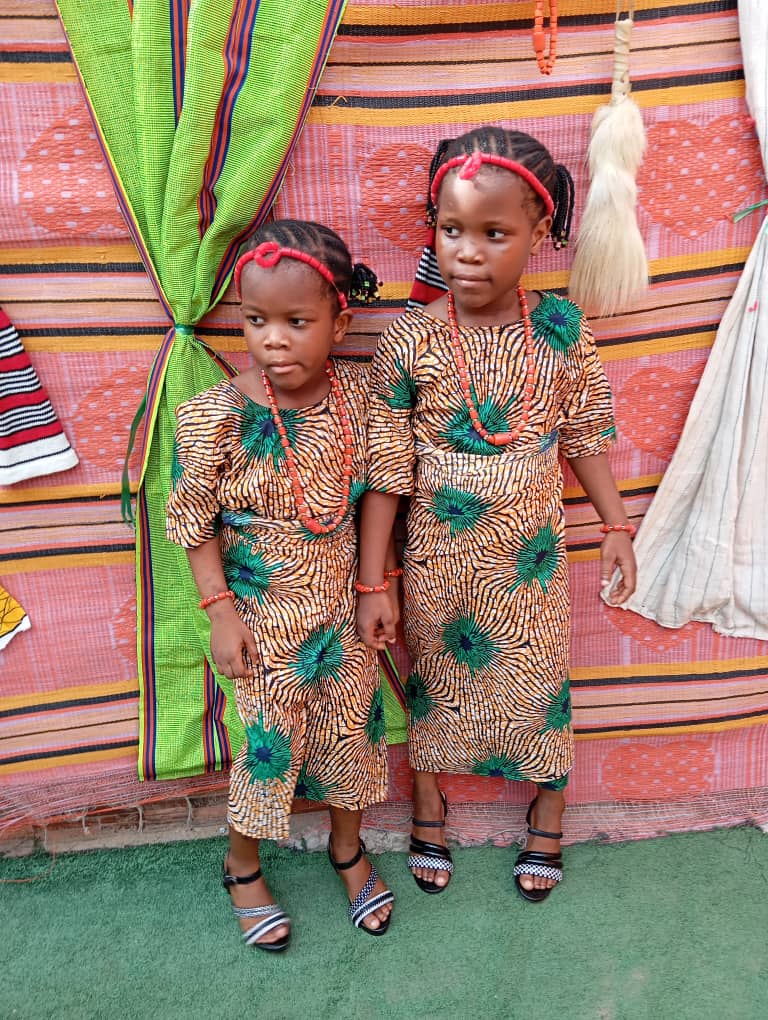
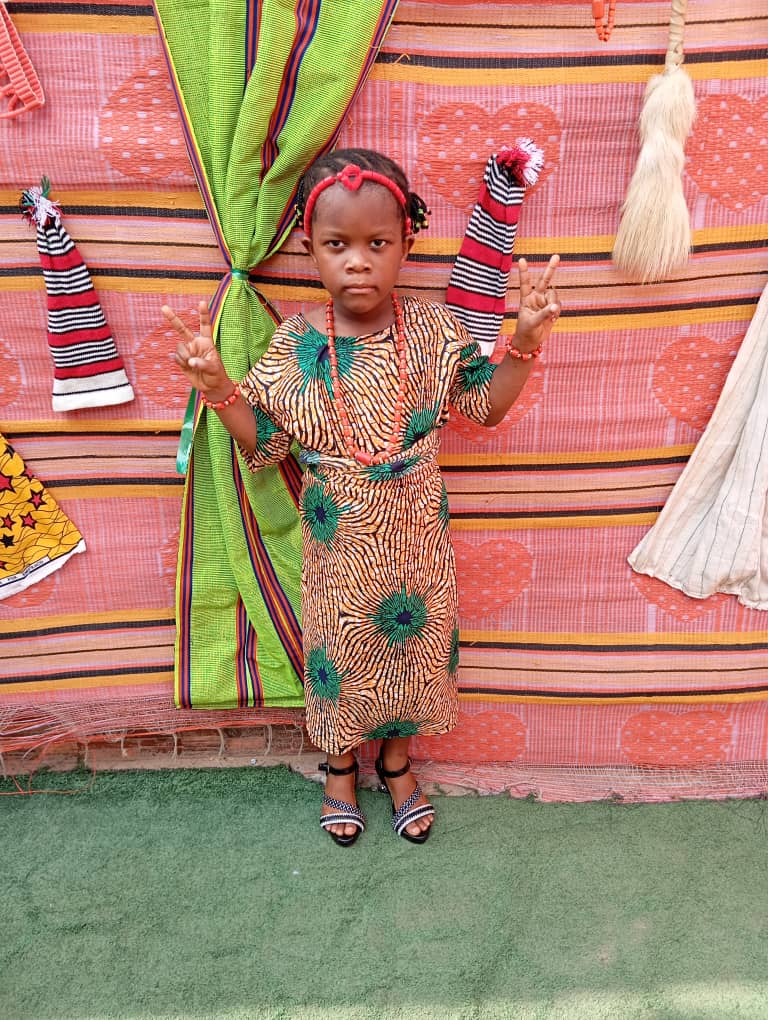
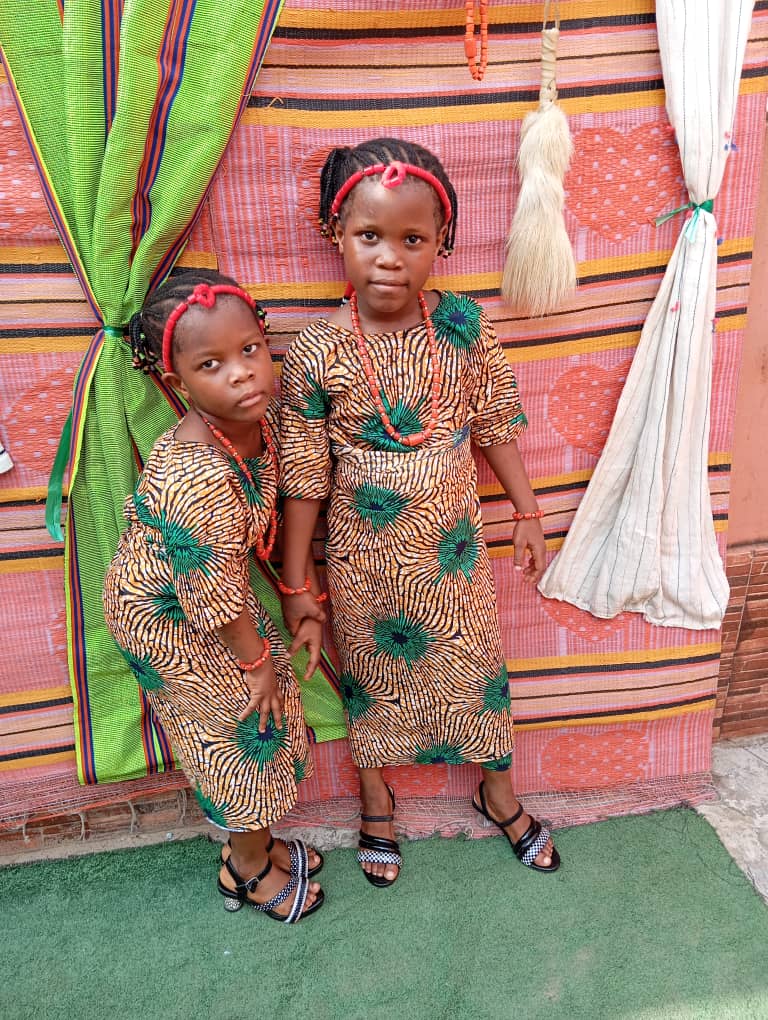
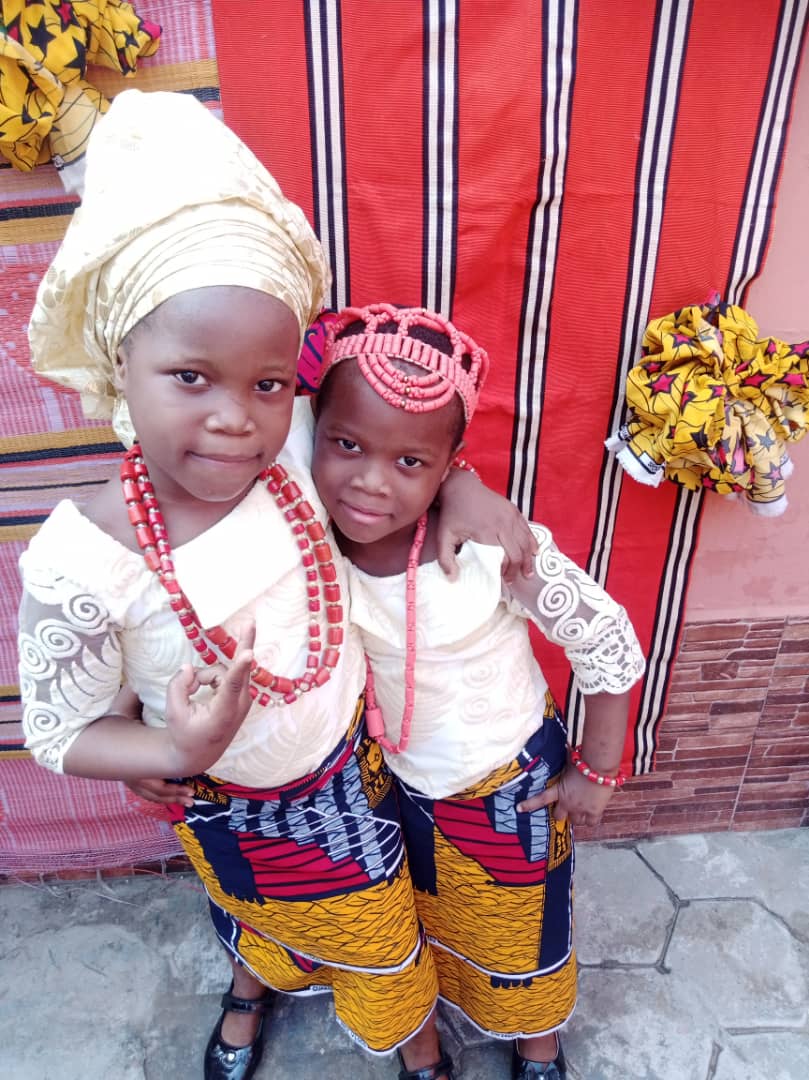
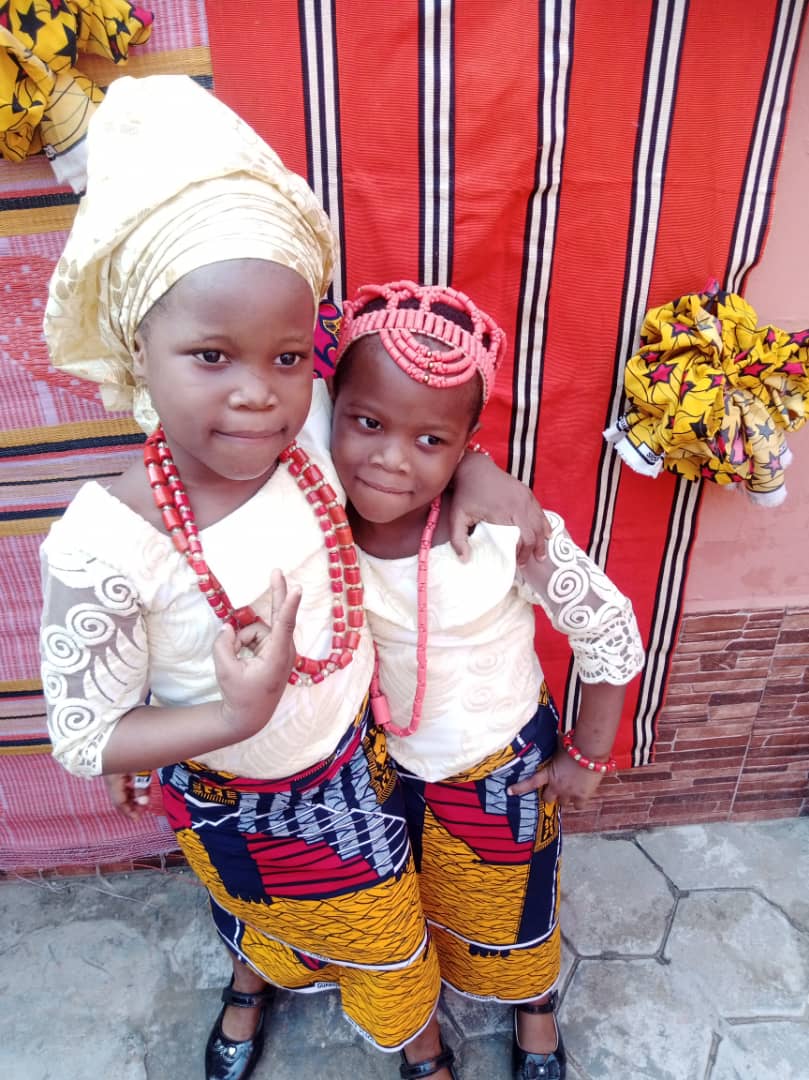
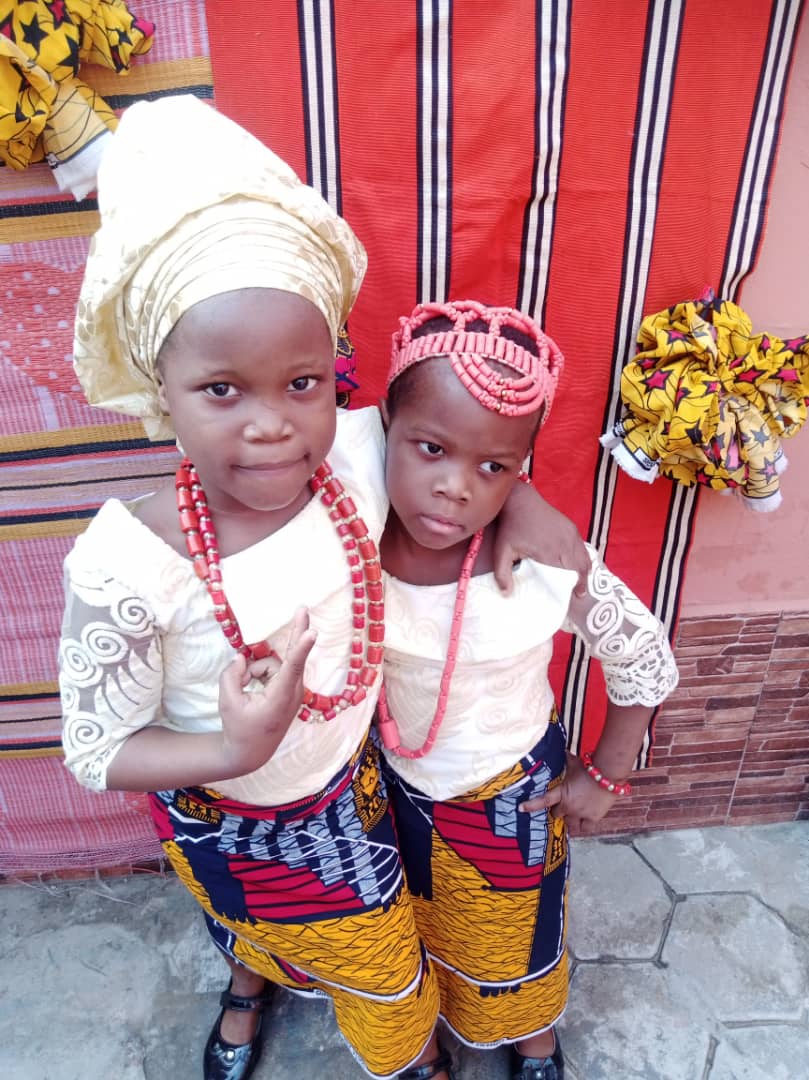
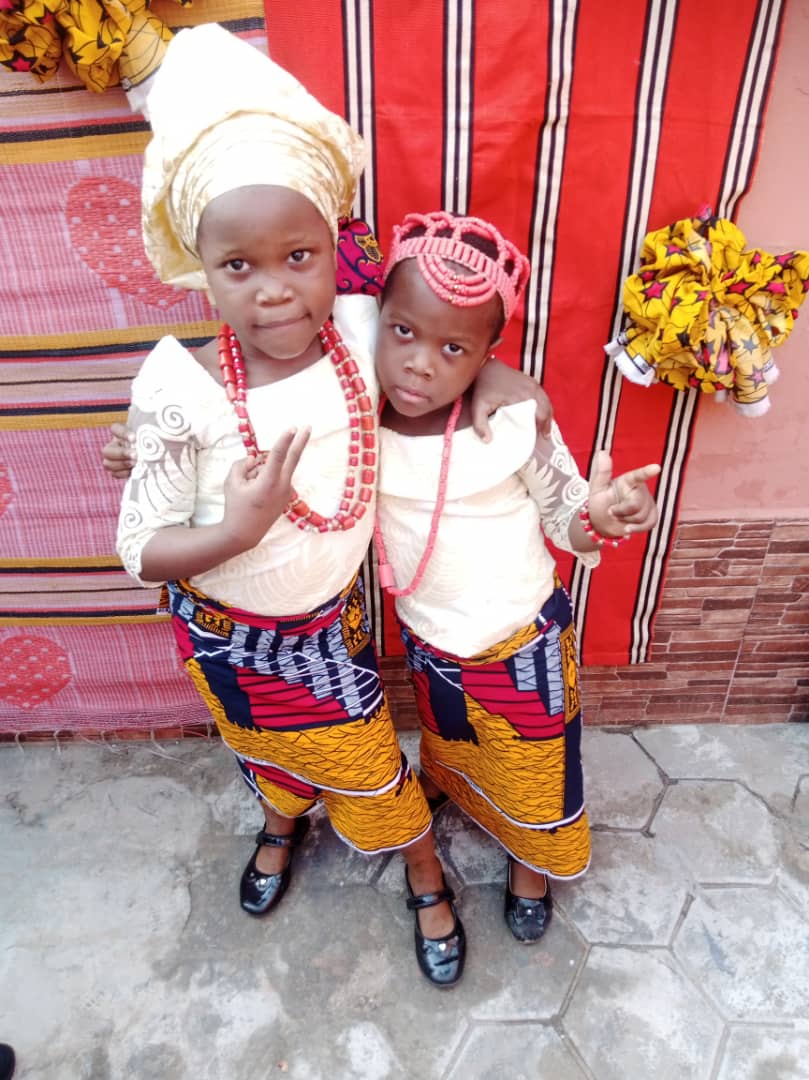
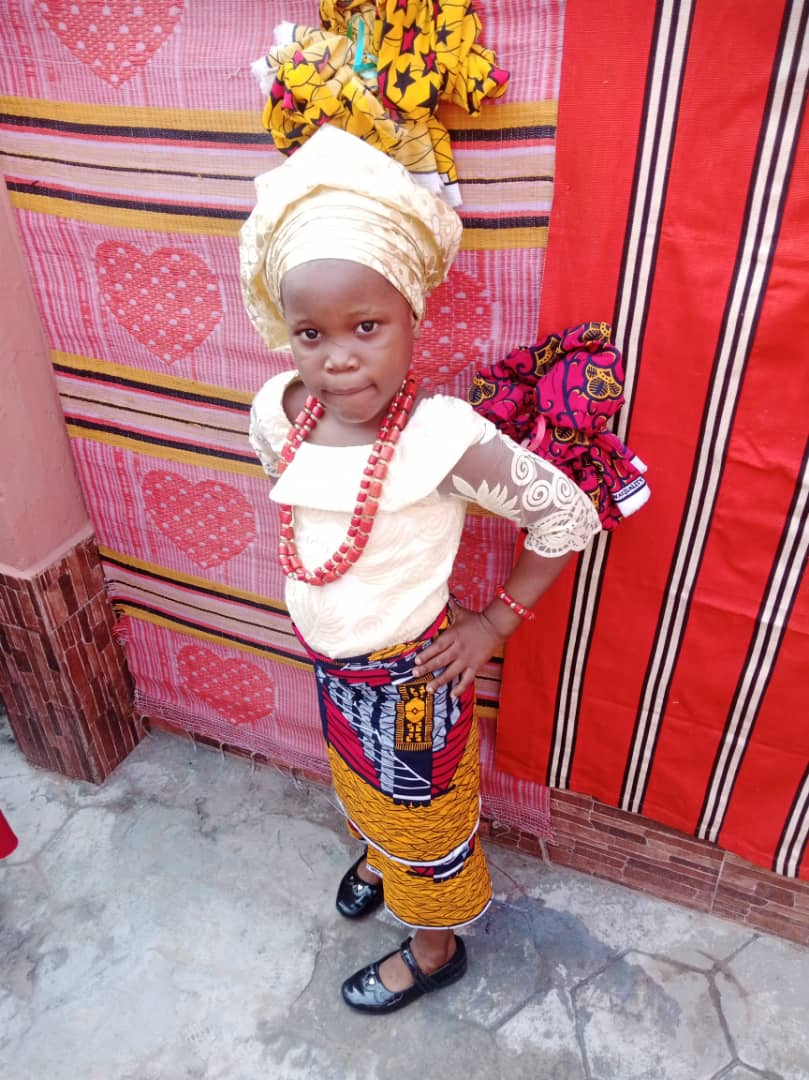
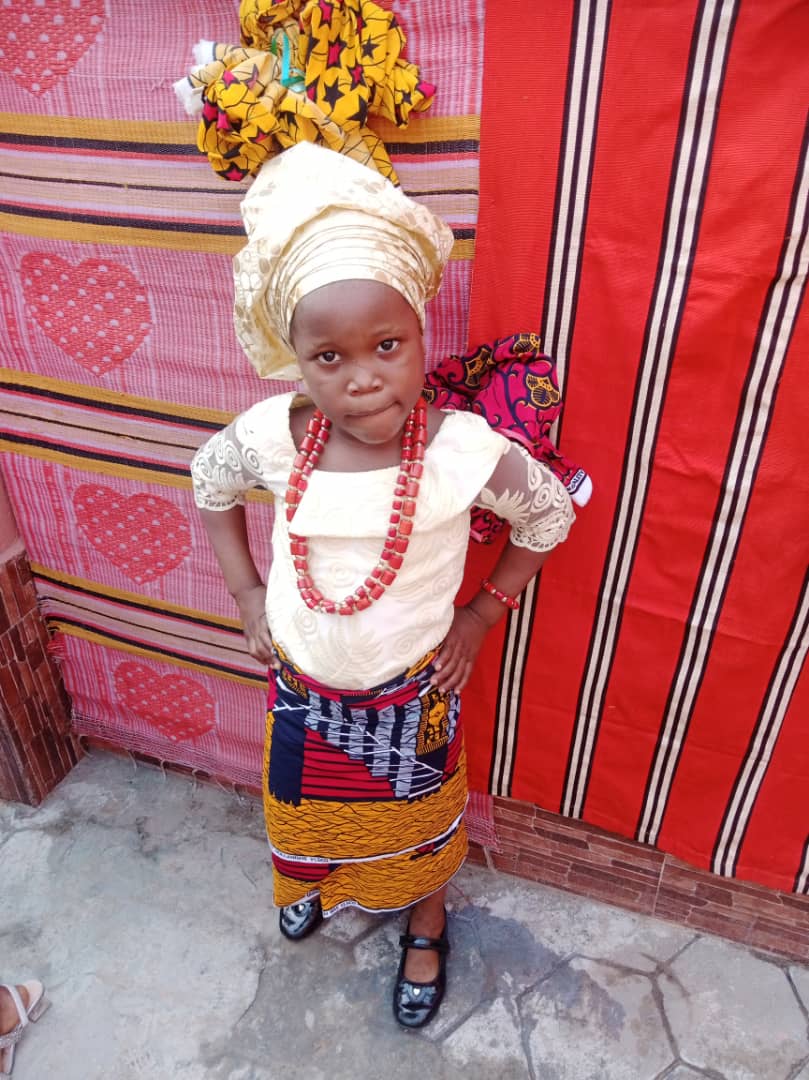
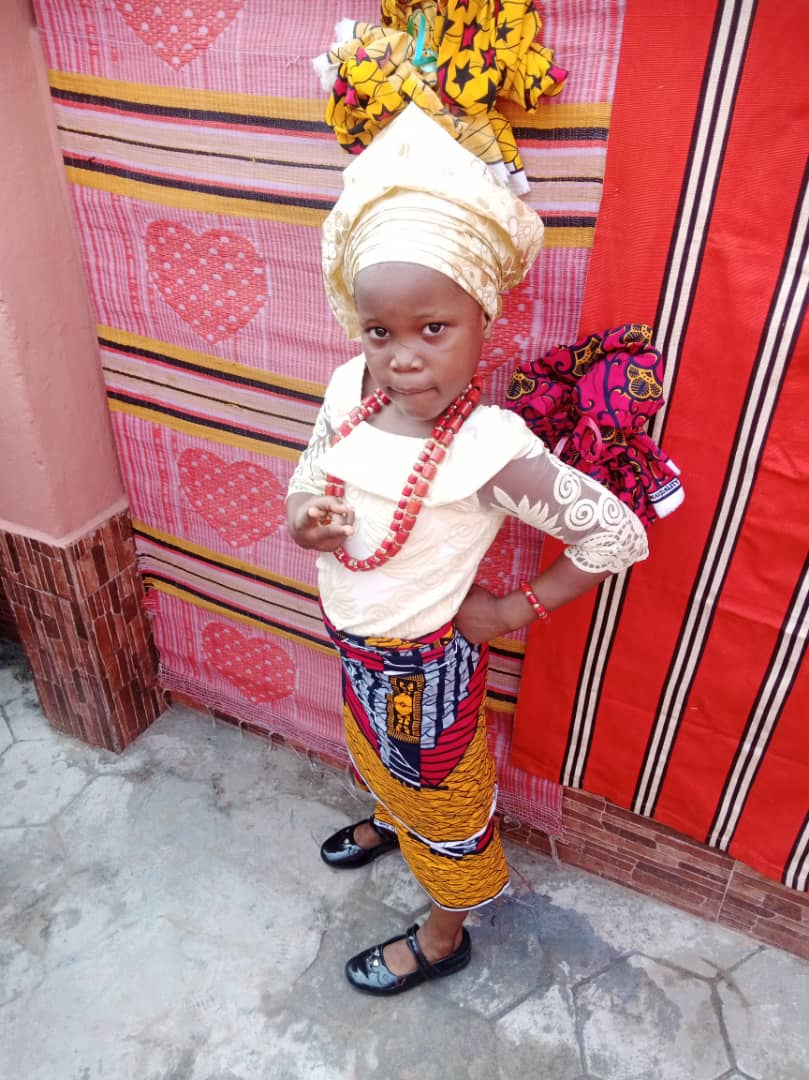
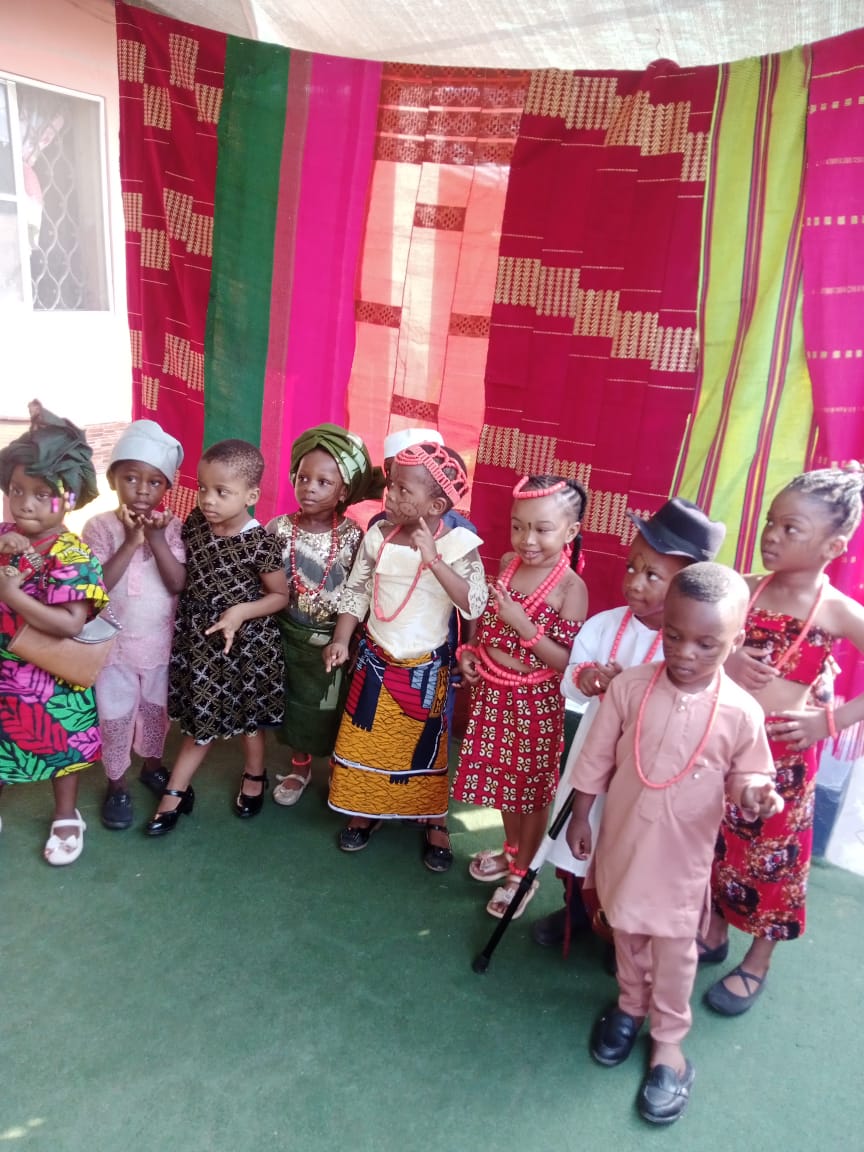
The Igbo tribe is one of Nigeria’s three major ethnic groups, predominantly found in the southeastern region. Known for their rich culture, entrepreneurial spirit, and strong traditions, the Igbo people have a history of republican governance, valuing community leadership and consensus. They are primarily traders, businesspeople, and professionals, contributing significantly to Nigeria’s economy. Their language, Igbo, has numerous dialects, and their traditional religion coexists with Christianity. The Igbo are famous for their festivals, masquerades, and the New Yam Festival. The Nigerian Civil War (1967–1970) deeply affected the Igbo, but they have since rebuilt and thrived. Today, they remain a resilient and influential group in Nigeria and beyond.
Yoruba Culture
The Yoruba tribe is one of Nigeria’s largest ethnic groups, predominantly found in the southwestern states like Lagos, Oyo, Ogun, and Osun. They have a rich cultural heritage, known for their traditional religion, Christianity, and Islam. Yoruba society values respect, family, and education, with an ancient history of powerful kingdoms such as Oyo and Ife. The Yoruba language is widely spoken, and their art, music, and festivals, like the Osun-Osogbo festival, are globally recognized. They are also known for their advanced political and social structures, including the revered monarchy system led by Obas. The Yoruba have made significant contributions to Nigeria’s economy, politics, and global diaspora.
Hausa Culture
The Hausa are one of the largest ethnic groups in Nigeria, primarily found in the northern region. They are known for their rich cultural heritage, deep-rooted Islamic traditions, and a strong influence in politics, commerce, and agriculture. The Hausa language, a major lingua franca in West Africa, is widely spoken. Historically, they were organized into city-states such as Kano, Katsina, and Zaria, which thrived as trade hubs. The Hausa-Fulani identity emerged due to intermarriage and Islamic influence from the Fulani jihad of the 19th century. Today, the Hausa people play a significant role in Nigeria’s socio-economic and political landscape, maintaining their traditions while adapting to modern developments.
Urhobo Culture
The Urhobo people are an ethnic group in southern Nigeria, primarily in Delta State. They are the largest ethnic group in the state and share cultural similarities with the Isoko. The Urhobo language belongs to the Niger-Congo family. Their traditional religion centers on Erivwin (spiritual world) and a Supreme God, Oghene, though many are now Christians. Urhobo culture is rich in festivals, including the famous Ohworhu and masquerade dances. Fishing, farming, and trade are key occupations, with oil and gas industries also playing a major role in their economy. Prominent Urhobo figures have contributed to Nigeria’s politics, arts, and education. Despite modernization, they maintain strong ties to their customs, especially in marriage, chieftaincy, and traditional governance.
Join Our Education center Now
Lorem ipsum dolor sit amet, consectetur adipiscing elit. Ut elit tellus, luctus nec ullamcorper mattis, pulvinar dapibus leo.